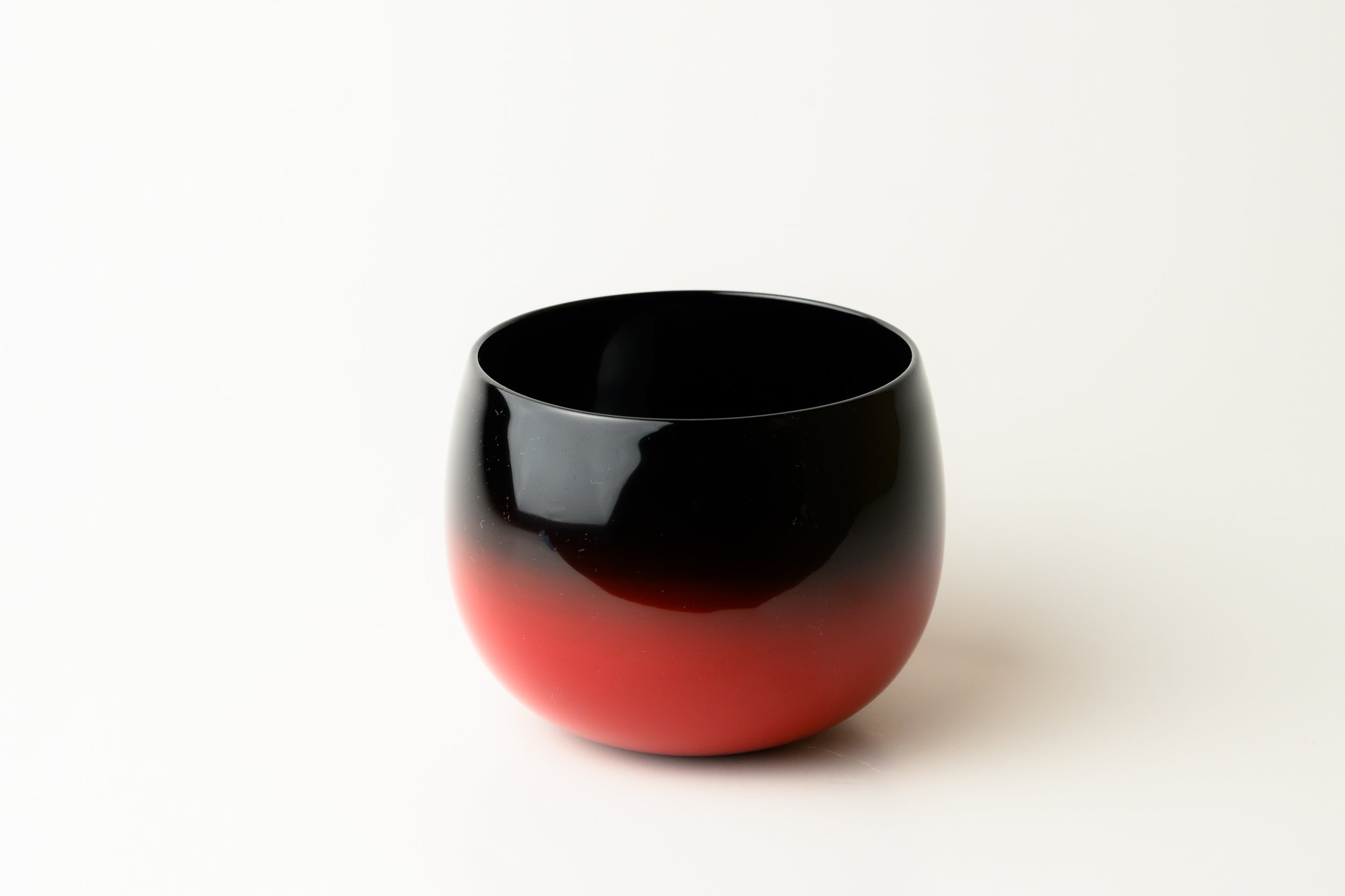
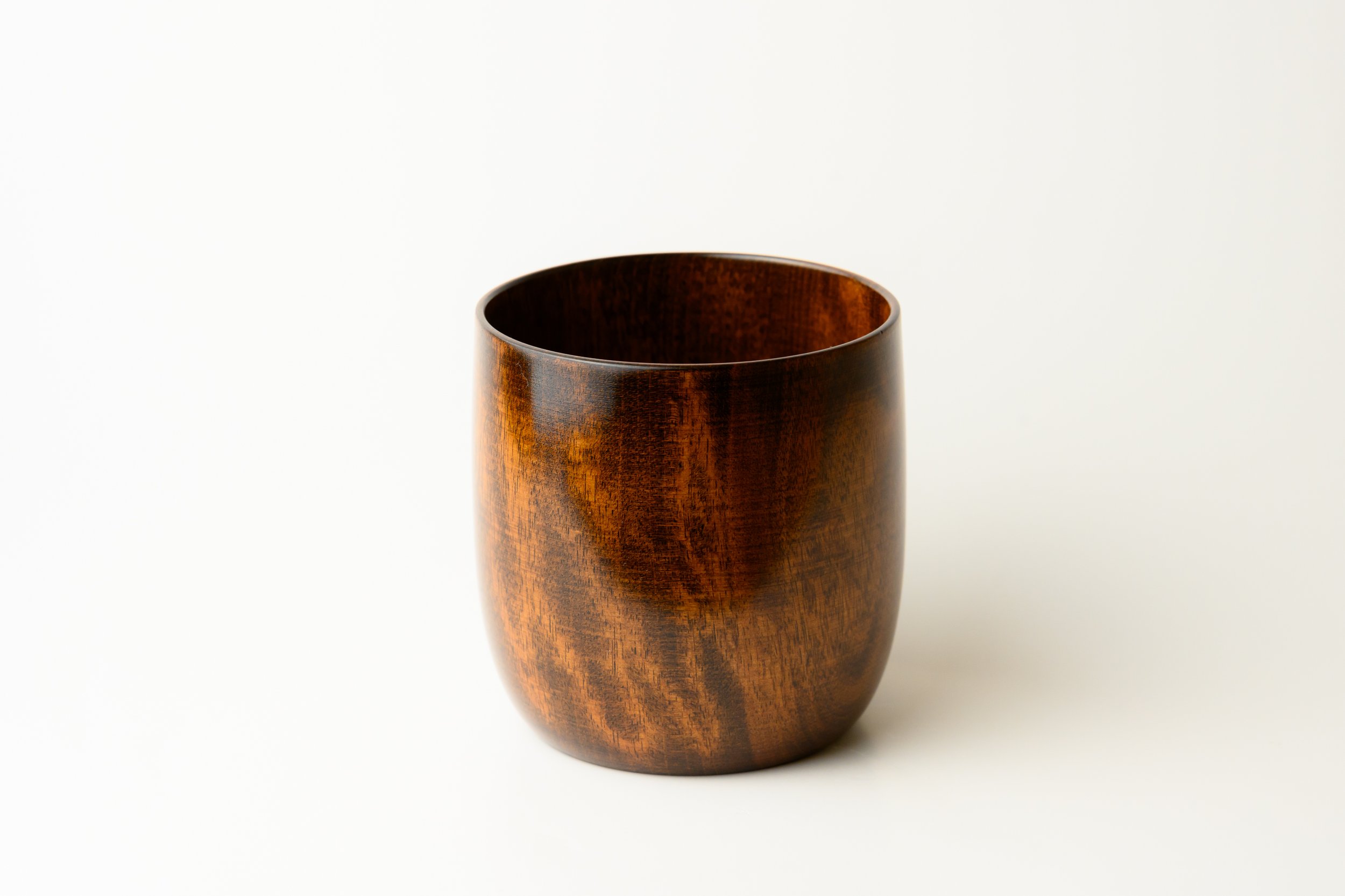
Lacquerware
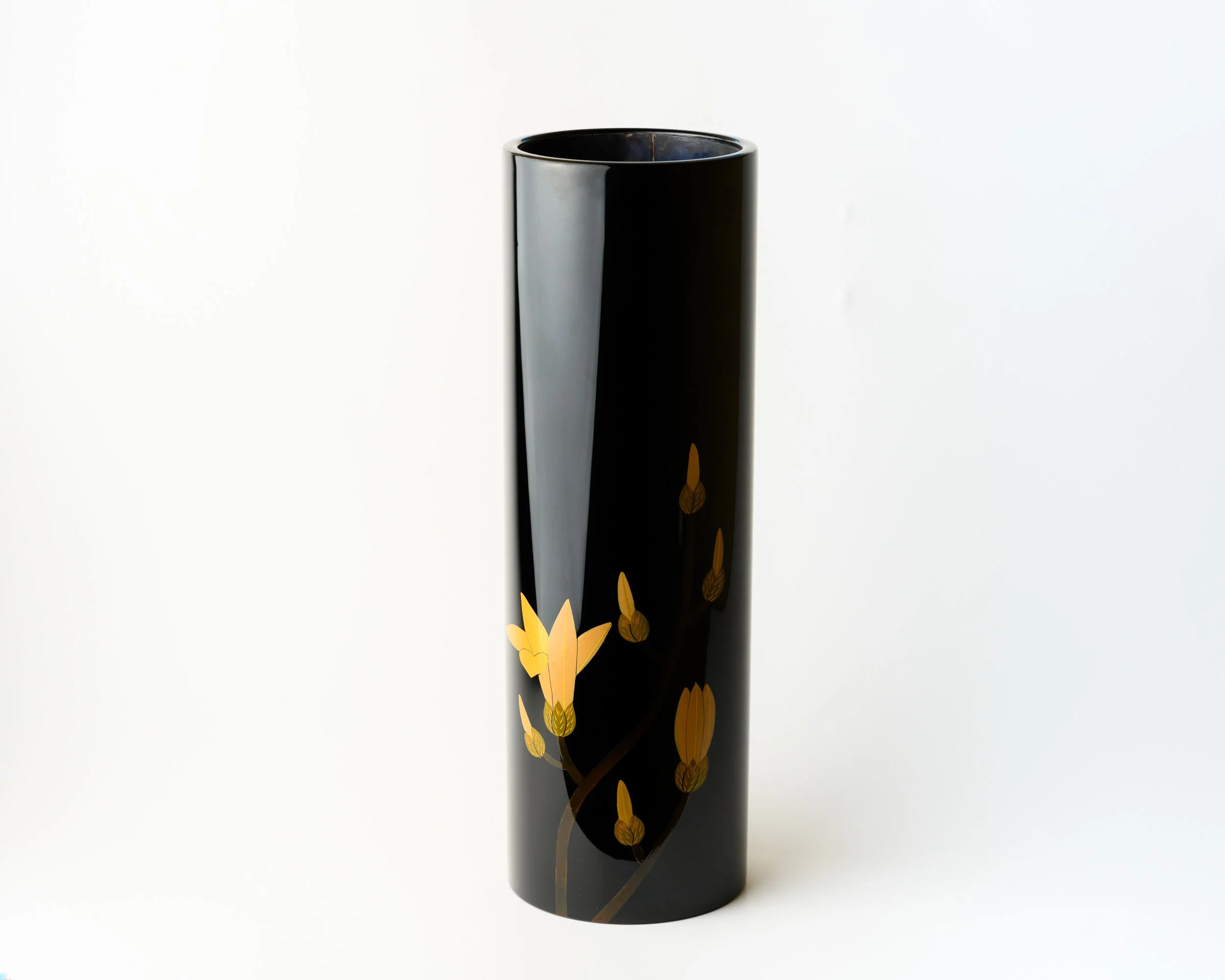
is made by coating wooden objects with many thin layers of natural Japanese lacquer, called urushi. The wood is shaped and smoothed, then several foundation layers are applied to strengthen the surface. Artisans add multiple coats of lacquer, letting each layer dry slowly in a warm, humid chamber. After polishing each layer, the surface becomes deep, glossy, and extremely durable. Some pieces are decorated with gold powder (maki-e), mother-of-pearl inlay (raden), or carved gold inlay (chinkin), creating elegant and timeless works of art.
PROFILE
Origin: Wajima & Yamanaka, Ishikawa, Japan
Material: wood coated with urushi (natural lacquer)
Aesthetic: deep gloss; decorated with gold (maki-e), mother-of-pearl (raden), or carved gold (chinkin)
Function: tea-ware, bowls, tableware
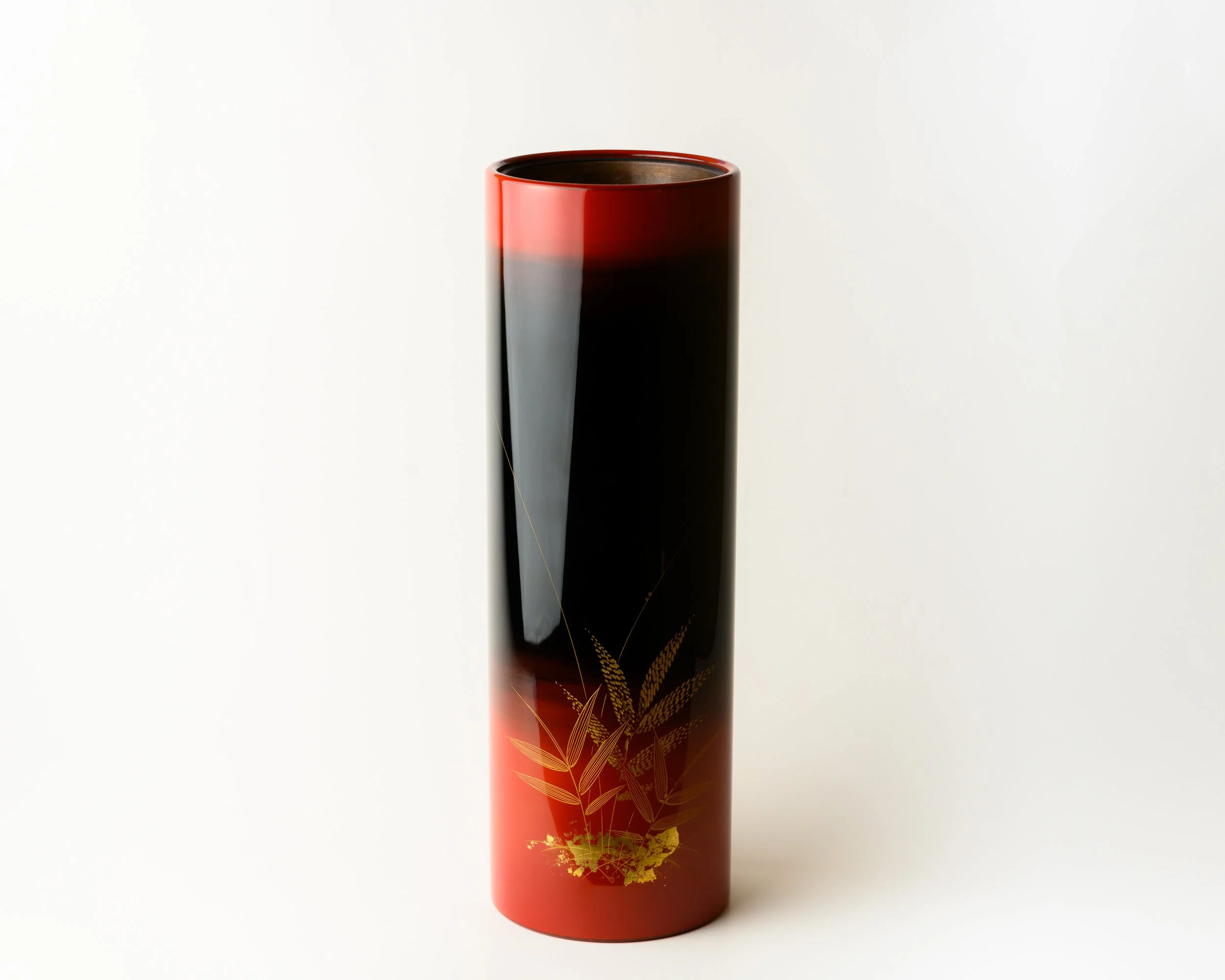
Wajima Lacquerware
Wajima-nuri is one of Japan’s most prestigious forms of lacquerware, produced in Wajima on the Noto Peninsula. It is renowned for its exceptional durability and refined beauty, achieved through a labor-intensive process involving many layers of natural lacquer and the use of jinoko, a locally sourced diatomaceous earth mixed into the base layers. This technique creates a remarkably strong foundation, allowing the surface to be polished to a deep, lustrous finish. Traditionally decorated with elegant maki-e designs or subtle chinkin carving, Wajima-nuri is valued not only as functional tableware but also as heirloom-quality craft that reflects centuries of craftsmanship.
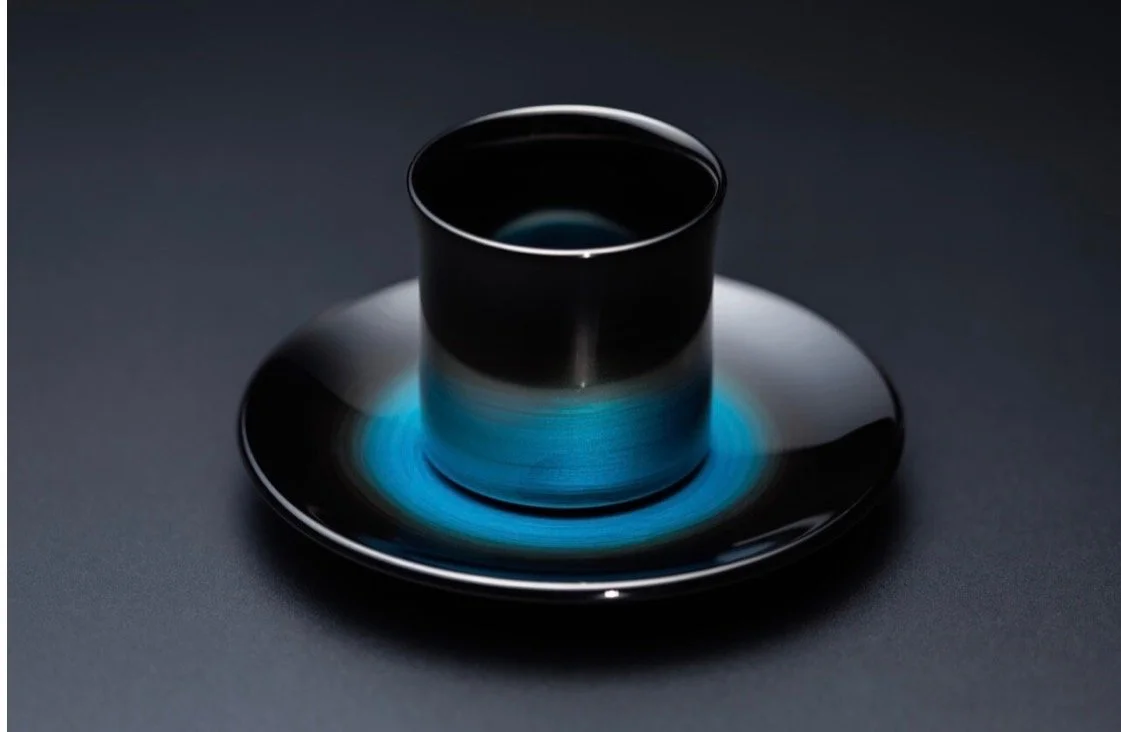
Yamanaka Lacquerware
Yamanaka-nuri, originating in Yamanaka Onsen in Ishikawa Prefecture, is especially admired for its mastery of woodturning and its graceful, well-balanced forms. Unlike Wajima-nuri, its strength lies in precise shaping on the lathe, resulting in thin, lightweight vessels with smooth contours that fit comfortably in the hand. Yamanaka-nuri embraces a wide range of styles, from traditional lacquer finishes to modern designs that highlight natural wood grain, transparent lacquers, and innovative colors. This flexibility has made Yamanaka-nuri a bridge between tradition and contemporary aesthetics, well suited to modern daily use.